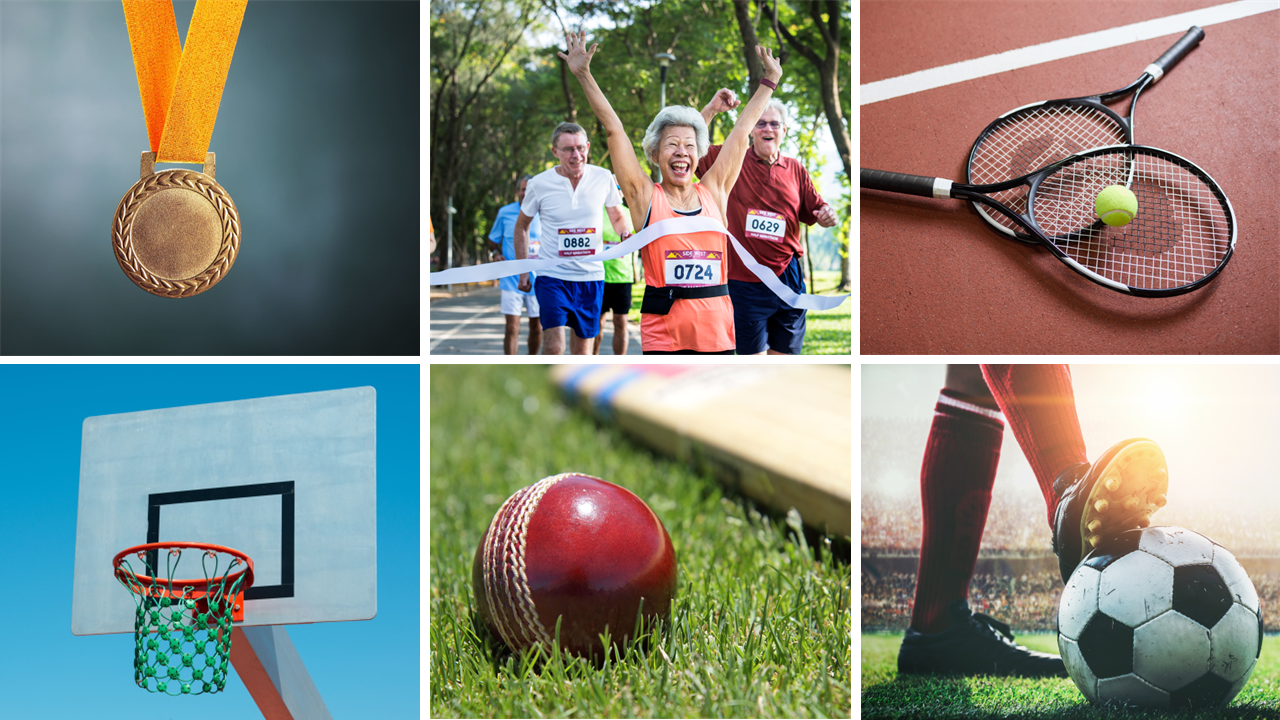
For my seventh CELTA teaching practice, I taught a grammar lesson on the present perfect simple and present perfect continuous, using the context of sporting achievements. It was my first fully independent lesson plan, and I wanted to focus on balancing accuracy, fluency, and engagement while giving learners meaningful opportunities to use the target language in context.
Lesson Focus
The main aim was for students to use the present perfect simple and continuous accurately when discussing sports — distinguishing between results and ongoing activities. The lesson was built around examples such as:
- I’ve won three matches this season. → Present Perfect Simple (result)
- I’ve been training for the marathon since January. → Present Perfect Continuous (activity/duration)
Students started by matching sentences to uses, identifying patterns, and practising pronunciation of contracted forms like I’ve played and She’s been training. Controlled practice involved classifying sentences and matching them to meanings, while the freer task asked students to write and share four sentences about their own sporting experiences — two in each tense.
The context worked well: even learners who weren’t sports enthusiasts could adapt it to dance, yoga, or walking, keeping the focus on language rather than topic.
Tutor Feedback
My tutor described this as a “strong lesson” for this stage of the course, praising the logical flow, clear aims, and confident handling of the material:
“You set up a clear context around sporting achievements and engaged students with useful tasks that linked to their own experiences. You also showed awareness of potential classroom issues and included strategies to manage them, which reflects growing confidence.”
The feedback also included valuable points for development:
- Give equal attention to meaning, form, and pronunciation, not just structure.
- Design controlled practice tasks that require actual language production rather than simple recognition.
- Allow more time for freer practice feedback and Delayed Error Correction (DEC).
- Continue improving pacing to ensure every stage is completed smoothly.
My Reflection
This lesson was a turning point — I felt much more comfortable working independently and integrating what I’d learned across previous TPs. I had solid control over staging and instructions, and I started to see how much planning supports genuine classroom confidence.
However, I realised that my controlled practice still leaned too heavily toward recognition instead of output, and I sometimes rushed the feedback stage. It was also clear that learners benefited most from guided pronunciation practice, so I plan to give that more focus in future lessons.
What I’m proudest of is how my students interacted during the freer task — they laughed, shared personal experiences, and naturally used the target language while discussing their achievements. For a grammar lesson, it felt lively and communicative.
Next Steps
Looking ahead, I plan to:
- Strengthen pronunciation focus within grammar lessons.
- Include productive, output-based controlled tasks (e.g., sentence completion or guided dialogues).
- Continue refining pacing and error correction timing.
- Keep creating contexts that feel personal and authentic for learners.