Recently we did a test run of Find the Helpers, a game I am designing with a client to encourage would-be activists and community members to get out there and make a difference in their neighborhoods. We tested a tentative version of the game with a group of players at a recent weekend-long event, and it was a great success. We learned a lot, and we have a very good idea of how to move forward.
What we learned
- Too many instructions and too much paperwork. Because we were planning the idea from scratch, we tried to account for every possible variable. This led to worksheets, spreadsheets, instruction manuals, scripts, you name it. While this content was essential for allowing us, the game designers, to think the game through properly, most were not used at the event.
- Missions are motivating on their own. We barely needed the scoring system, and many of the accountability measures we planned never saw the light of day because being handed a mysterious envelope with a mission inside turned out to be all the players needed to get started.
- Not all missions ended as planned, but all were phenomenal. Some missions, for reasons specific to the event where testing took place, did not go according to plan. However, as the goal was to build a sense of community, and the players in question established their own community which banded together to achieve many great things over the weekend, we feel that the underlying goal was still met.
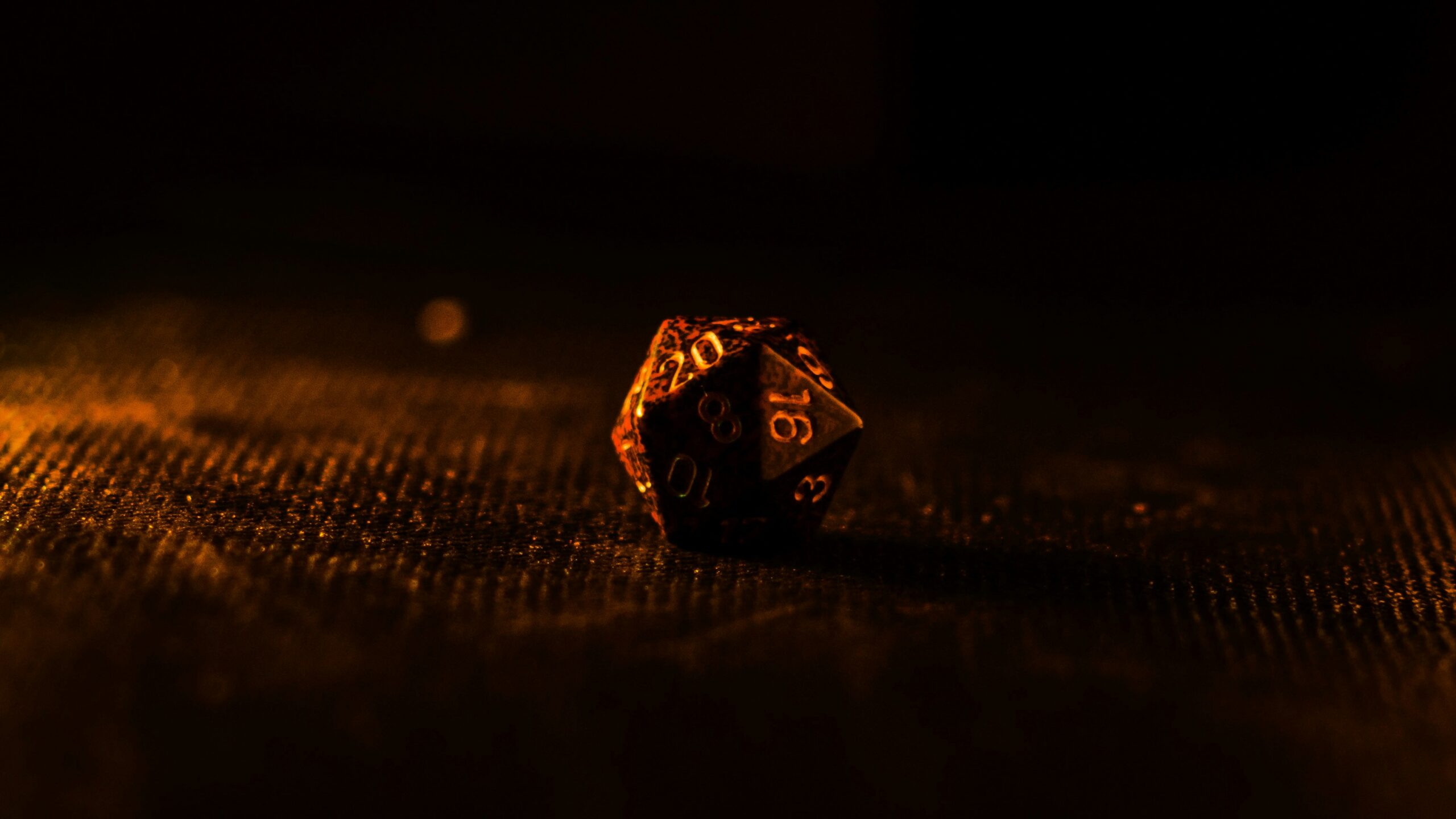
- Character creation was a hindrance. We realized that our DND-style character creation step was going to be a hindrance rather than a help. In reality, we want players to play as themselves, to complete missions as themselves, and build real-world skills as themselves. This step was also skipped.
What comes next?
We’re moving with much excitement into the second phase of game design: Prototyping. Based on what we have learned we are creating a version of the game that we can present to game designers for further feedback. Some high-level ideas currently include:
- Missions as the central component. We plan to provide players with several missions, each in a separate envelope and to be completed in a set order and that eventually build to overarching goals. Missions will include objectives such as finding and learning to read a neighborhood map.
- Side quests for added fun. As players need to build stats in previous missions to access future ones, we are also conceiving of optional side quests, unlocked by ‘parent’ missions, that allow players to gain more experience as needed. Side quests include objectives such as contacting someone from the personal phone book they started in a previous mission to find out if they have any training available.
- A logbook for record keeping. Players will keep detailed notes of their stats and progress in a logbook we will design. In addition to being a game tool, this logbook will also serve as a repository of skills, allies, resources, systems, and training each player has available to them in the real world.
We have a long way to go, but this is one of those projects that keep you on your toes simply because it is so much fun. Follow along with us we continue to create this impactful game.